
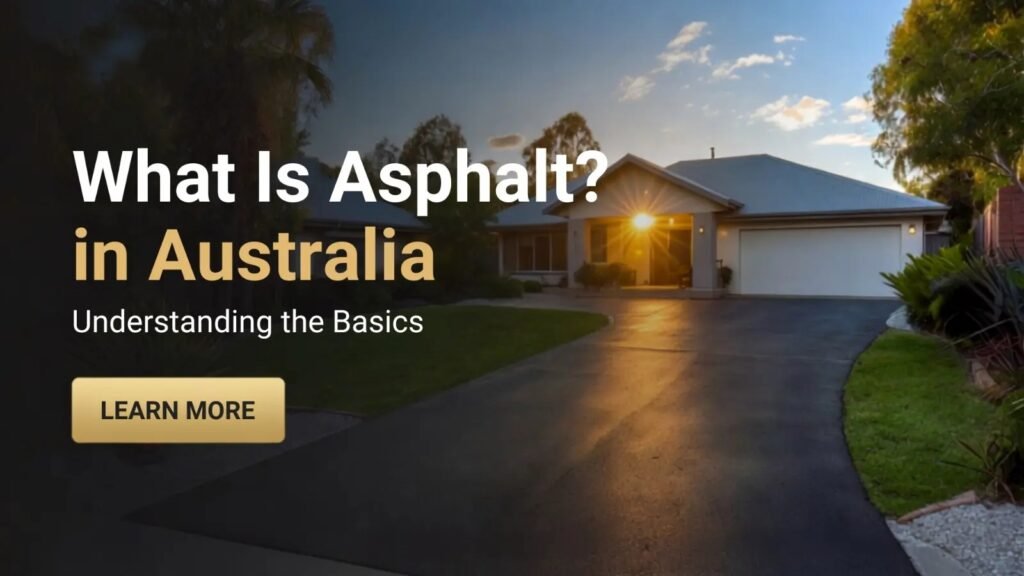
If you have ever driven on a smooth black road or parked your car on a dark, flat surface, you have used asphalt. But what is asphalt really made of, and why is it used so widely across Australia? This guide answers that question in plain, easy words.
What Is Asphalt?
Asphalt is a strong building material used to make roads, driveways, footpaths, and car parks. It is made by mixing two main things together:
- Bitumen: a thick, sticky, black substance left over after crude oil is refined
- Aggregate: small stones, gravel, and sand
When bitumen and aggregate are heated and mixed, they form asphalt. This mix is then spread out while hot, rolled flat, and left to cool. Once it cools, it becomes hard, strong, and ready to handle heavy traffic.
In short, asphalt is a mix of bitumen and stone that creates a smooth, tough surface for driving and walking.
Why Is Asphalt Used So Much in Australia?
Asphalt is one of the most common paving materials across Australia, and there are good reasons for this:
- It is affordable. Compared to concrete, asphalt usually costs less to lay down.
- It is quick to install. Asphalt cools and hardens faster than concrete, so roads and driveways can open sooner.
- It handles Australian weather well. Asphalt can flex slightly with heat and cold, which suits the hot summers and cooler winters found in many parts of the country.
- It is easy to repair. A cracked or damaged patch of asphalt can be fixed without redoing the whole surface.
- It gives good grip. The rough texture of asphalt helps tyres grip the surface, which improves safety.
Because of these benefits, asphalt is the top choice for many types of surfaces, including asphalt roads, driveways, and parking areas around the country.
How Is Asphalt Made?
Making asphalt is a careful process that follows Australian standards, including AS 2150, which guides how asphalt should be manufactured and placed for pavements. Here is how it generally works:
- Heating: Bitumen and aggregate are heated separately to a high temperature.
- Mixing: The hot bitumen coats the aggregate evenly, forming a thick paste.
- Transporting: The hot mix is loaded onto trucks and taken to the job site while it is still warm.
- Laying: A paving machine spreads the asphalt evenly across the surface.
- Compacting: Heavy rollers press down on the asphalt to remove air pockets and make it firm.
- Cooling: The asphalt cools down and hardens into a solid, durable surface.
This process is often called asphalt paving, and it is used for everything from small footpaths to large highways.
Common Uses of Asphalt in Australia
Asphalt is a flexible material, which means it can be used in many different places. Some common uses include:
- Roads and highways: Most public roads across Australia use asphalt because it holds up well under heavy and constant traffic.
- Driveways: Many homeowners choose asphalt driveways because they are smooth, affordable, and long lasting.
- Car parks: Shopping centres, offices, and other businesses often use asphalt for their asphalt car parks because it can support many vehicles without cracking easily.
- Footpaths and bike paths: Asphalt gives a smooth, even surface that is comfortable to walk or ride on.
- Airport runways: Special types of asphalt are also used for aircraft, since it can handle heavy loads and high speeds.
Types of Asphalt Used in Australia
Not all asphalt is the same. Depending on the job, different mixes are used:
- Dense graded asphalt (DG): This is the most common type used for roads and driveways. It offers a strong, smooth surface for everyday traffic.
- Stone mastic asphalt (SMA): This type has more stone content and is often used on busier roads that need extra strength.
- Open graded asphalt (OGFC): This type allows water to drain through it, which helps reduce spray and improve safety in wet weather.
Choosing the right type depends on things like traffic levels, weather, and the surface being built.
How Long Does Asphalt Last?
With proper installation and regular care, asphalt surfaces can last many years. Driveways and car parks often last between 15 to 20 years, while busier roads may need resurfacing sooner due to heavy traffic. Simple steps like sealing cracks early and clearing debris can help asphalt last even longer.
Asphalt vs Concrete: A Quick Comparison
People often compare asphalt with concrete before choosing a surface. Here is a simple breakdown:
| Feature | Asphalt | Concrete |
|---|---|---|
| Cost | Usually lower | Usually higher |
| Installation time | Faster | Slower |
| Repair | Easier and cheaper | More difficult |
| Lifespan | 15 to 20 years (with care) | 25 to 30 years or more |
| Look | Black, simple finish | Can be styled and coloured |
Both materials have their strengths, and the right choice depends on your budget, timeline, and how the surface will be used.
Is Asphalt a Good Choice for Your Property?
Asphalt works well for most homes and businesses across Australia because it is affordable, quick to install, and easy to maintain. Whether you need a new driveway, a resurfaced car park, or a full road project, asphalt offers a reliable and practical solution.
Frequently Asked Questions About Asphalt
What is asphalt made of?
Asphalt is made of bitumen, which is a thick sticky substance from crude oil, mixed with stones and sand called aggregate.
Is asphalt the same as bitumen?
No. Bitumen is one ingredient used to make asphalt. Asphalt is the finished mix of bitumen and aggregate.
How long does asphalt take to dry?
Asphalt cools and hardens within a few hours, but it usually needs 24 to 72 hours before it can handle full vehicle weight safely.
Can asphalt be recycled?
Yes. Old asphalt can be dug up, processed, and reused in new asphalt mixes, which makes it an environmentally friendly choice.
Why does asphalt crack over time?
Asphalt can crack due to heavy traffic, extreme weather changes, tree roots, or a lack of proper maintenance over the years.
Final Thoughts
Asphalt is a simple yet powerful material that keeps Australia moving, from busy city roads to quiet home driveways. Made from bitumen and stone, it offers a strong, affordable, and long lasting surface for almost any paving need. Whether you are planning a small driveway or a large car park project, understanding what asphalt is and how it works can help you make a confident, informed decision.